Avoid hidden cleaning charges in Chelsea what to know
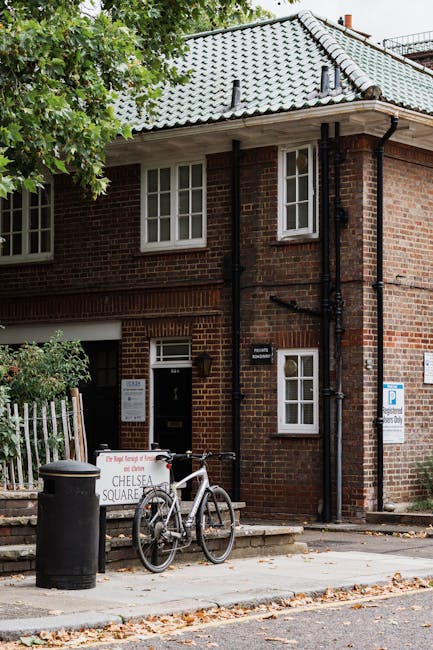
If you have ever received a cleaning quote that looked fine at first, then suddenly grew arms and legs once the job started, you are not alone. Hidden fees can turn a straightforward clean into a slightly annoying little saga, especially in Chelsea where expectations are high and properties vary from compact flats to larger period homes. This guide on Avoid hidden cleaning charges in Chelsea what to know explains how surprise costs happen, what to check before you book, and how to read a quote with a calmer eye. The aim is simple: help you pay for the cleaning you actually need, not the bits that quietly appear later.
For many people, the issue is not the price itself. It is the feeling of not being told the full story. A proper quote should feel clear, fair, and specific. If it does not, that is your cue to pause.
Why hidden cleaning charges in Chelsea matter
Hidden cleaning charges matter because they change the basic deal. A quote that seems competitive on paper can become expensive if the provider adds fees for things that were never properly explained. That might mean stairs, parking, congestion, extra rooms, heavily soiled areas, appliances, pet hair, or minimum call-out charges. Sometimes these are legitimate; sometimes they are simply poorly disclosed.
In Chelsea, where access can be awkward and parking is not exactly a free-for-all, this is particularly relevant. A cleaner may need to factor in loading time, building access, concierge rules, or restricted waiting space. Fair enough. The problem comes when those issues are used as an afterthought rather than part of the original estimate.
Practical takeaway: if a cleaning quote is vague, assume there may be extras unless you ask detailed questions and get the answers in writing.
This is also about trust. A transparent quote tells you the company understands the job, not just the sales angle. If you are comparing a cleaning company with a cheaper option, the cheapest headline price is rarely the whole story.
How hidden cleaning charges in Chelsea what to know works
Hidden charges usually appear in one of three ways. First, they may be baked into the wording of the estimate, but only in a way that is easy to miss. Second, they may be added after an on-site inspection. Third, they may show up on the final invoice when the job is already finished and nobody wants an argument at the door. That last one is the one people remember, for obvious reasons.
Here is how a quote can shift:
- Base rate quoted first: a price is given for what looks like the whole job.
- Extras appear later: add-ons like oven cleaning, carpet treatment, or deep grime are introduced.
- Access or time charges: the cleaner says the visit took longer than expected, or access created delays.
- Special condition charges: heavy soiling, post-renovation dust, or biohazard-style cleaning triggers a surcharge.
Some of these charges are reasonable if clearly explained before booking. For example, a detailed pricing and quotes page should ideally help you understand what the baseline includes and what sits outside standard scope. That is the kind of transparency you want to see before anyone steps through the front door.
A good provider will normally ask questions first: property size, room count, type of cleaning, level of dirt, access details, and whether any specialist areas need attention. If they do not ask much at all, be cautious. A price with no questions behind it often becomes a price with surprises in front of it.
Key benefits and practical advantages
Getting the full cost clear upfront is not just about avoiding awkward conversations. It helps you plan properly, compare options honestly, and choose the right level of service. That can make a bigger difference than you might think.
Here are the main benefits:
- Better budgeting: you know what will be charged before the work begins.
- Cleaner comparisons: you can compare like with like rather than apples with a mystery basket.
- Less stress on the day: no one likes haggling while carrying a hoover upstairs.
- More suitable service: you can choose between a standard clean, deep cleaning, or a more focused visit.
- Better results: when the scope is clear, the team can bring the right products and time.
There is also a small but real confidence benefit. When a quote is clear, you feel more settled before the appointment. You are not wondering whether a spotless kitchen will somehow become more expensive than the quote suggested. That peace of mind counts, honestly.
For landlords, tenants, and busy homeowners, transparent pricing is especially useful. A one-off visit from one-off cleaning specialists should feel straightforward, not like a quiz you did not revise for.
Who this is for and when it makes sense
This advice is for anyone booking cleaning in Chelsea and wanting to avoid bill shock. But it is especially useful in a few situations where the scope can easily expand.
- Tenants moving out: end-of-tenancy jobs often come with condition-sensitive expectations.
- Landlords and letting agents: you need a clear record of what was quoted and what was cleaned.
- Busy households: domestic jobs can change if the home has not been maintained for a while.
- Office managers: commercial cleaning can involve access windows, security rules, or extra floors.
- Post-renovation clients: after-build dust and debris can change the time and product requirements.
If you are booking end of tenancy cleaning, office cleaning, or after builders cleaning, the chance of extras increases if the job is not assessed properly. To be fair, that does not automatically mean the provider is trying it on. It may simply mean the job is more complex than a quick online form can capture.
It is also relevant if you are booking specialist services such as carpet cleaning, sofa cleaning, oven cleaning, or window cleaning. Each of those can have condition-based pricing if the area is heavily stained, awkward to access, or unusually large.
Step-by-step guidance
If you want to avoid hidden fees, the best approach is to slow the process down a little before you book. A good quote is built on clarity, not speed alone.
- Describe the job properly. Say exactly what needs cleaning, how many rooms or items are involved, and whether there are any problem areas.
- Ask what is included. Does the price cover labour, materials, equipment, travel, VAT if applicable, and disposal if relevant?
- Check for add-ons. Look for charges linked to ovens, fridges, carpets, upholstery, excessive limescale, pet hair, or stain removal.
- Confirm access details. Mention stairs, lifts, parking restrictions, key collection, concierge arrangements, and building rules.
- Request written confirmation. A text or email is fine if it clearly states the scope, exclusions, and price basis.
- Review the terms before paying. The terms and conditions should explain cancellation, rescheduling, and charge triggers.
- Take quick photos if needed. For end-of-tenancy or post-build jobs, a few timestamped images can help avoid later disagreement.
- Check the final invoice carefully. If something appears that was not discussed, ask for the reason politely but firmly.
A small real-world example: a Chelsea flat may look simple online, but if the cleaner has to navigate a basement entrance, tight parking, and a fifth-floor walk-up, the job suddenly becomes less simple. Not impossible. Just different. That difference should be priced fairly, not sprung on you afterwards.
Expert tips for better results
People often think the best way to avoid hidden costs is to choose the lowest quote. Sometimes, that is exactly the wrong move. The cleanest deal is usually the one with the clearest wording.
Here are a few tips that genuinely help:
- Ask for a scope statement. Even a short one helps pin down what is included.
- Be honest about the condition. If the oven has not been touched in a year, say so.
- Use service-specific quotes. A full-home clean is not the same as a specialist oven cleaner visit.
- Clarify whether products are included. Some providers supply everything; others charge extra for speciality materials.
- Ask about minimum booking time. This matters for smaller jobs and quick tidy-ups.
Another tip, and this one sounds almost too simple: read the quote slowly. Not skim-read, not "I'll get back to that later". Slow. A surprising number of disputes come from one line tucked under the headline price. Easy to miss, easy to regret.
If you are comparing a general cleaner with a dedicated team of cleaners, ask whether the staff are insured, trained, and expected to follow a fixed checklist. Those details often tell you more than a discount does.
Common mistakes to avoid
Most unpleasant surprises happen because of one of a handful of avoidable mistakes. They are common, and honestly, they are easy to make when you are busy.
- Not listing everything that needs doing. This is the big one.
- Assuming "from" means "all in". It rarely does.
- Ignoring access issues. Chelsea properties can vary a lot in layout and entry.
- Forgetting specialist items. Rugs, upholstery, hard floors, and facades may be separate services.
- Accepting a verbal quote only. If a problem comes later, memory gets fuzzy very quickly.
- Skipping the terms. A few minutes now can save a small headache later.
One quietly annoying mistake is leaving out "small" jobs that are not actually small, like a very greasy oven, a stained rug, or a sofa with embedded pet hair. A provider may treat those as specialist items, which is fair enough if it was explained. If not, the bill can creep.
Also, do not be embarrassed to ask what counts as heavy soiling. It is a slightly awkward phrase, yes, but it means different things to different companies. Better to ask than guess.
Tools, resources and recommendations
You do not need fancy tools to protect yourself from hidden fees. A few simple habits are enough.
- Use a written checklist of rooms, surfaces, and extra items before you request a quote.
- Keep screenshots of any estimate, especially if it was sent by message.
- Photograph problem areas such as stains, post-build dust, or damage before the visit.
- Save the booking confirmation and any scope notes in one place.
- Ask for invoicing clarity if the job is split across multiple visits.
On the company side, a transparent provider should make it easy to find the basics: who they are, how they handle safety, and what to do if something goes wrong. For example, pages like about us, insurance and safety, and the complaints procedure can be useful trust signals when you are choosing who to book.
If you care about data handling and payments as well as price, it is worth checking payment and security and privacy policy. Not glamorous, I know. Still important.
Law, compliance and best practice
In the UK, consumer protection principles generally favour clear, fair, and non-misleading pricing. You do not need to become a legal expert to benefit from that. The practical point is simple: if a company advertises a price, it should be honest about what that price covers and what might increase it.
Best practice usually includes:
- Clear pre-sale information about what is included.
- Transparent exclusions for specialist tasks or unusual conditions.
- Reasonable notice before extra charges are added.
- Documented terms that explain cancellation, access, and reattendance rules.
- Insurance and safety awareness where access, equipment, or property condition creates risk.
For cleaning work in homes and offices, good practice also includes respecting property, using appropriate equipment, and avoiding shortcuts that could damage surfaces. If a cleaner plans to use strong chemicals on delicate flooring, that should be discussed, not guessed. A decent provider will usually have a clear health and safety policy and will not mind explaining how it affects the job.
And yes, if you are booking a specialist surface treatment such as hard floor cleaning or upholstery cleaning, best practice matters even more because the wrong method can cost more than the clean itself. That is not scare talk; it is just the reality of property care.
Options, methods, or comparison table
Different booking methods suit different people. If you want control, one route may work better than another. Here is a practical comparison.
| Booking method | What it usually gives you | Risk of hidden charges | Best for |
|---|---|---|---|
| Quick online estimate | Fast ballpark pricing | Medium to high if the job is complex | Simple, standard cleaning jobs |
| Phone quote with questions | More tailored pricing and clarification | Lower if details are discussed properly | Most domestic and office bookings |
| Site visit assessment | Most accurate scope and pricing | Usually lowest, because the condition is seen in person | End of tenancy, after builders, large homes, unusual access |
| Fixed-price package | Clearer cost upfront | Low if the package is well defined | Standardised services such as oven or carpet cleaning |
In plain English, the more complex the job, the more you should prefer a detailed quote over a quick guess. For example, a carpet cleaner pricing a single room is usually simpler than a whole-property refresh with stains, furniture moving, and a tight timetable. Different beasts entirely.
Case study or real-world example
Here is a realistic scenario. A couple in Chelsea book what they think is a standard flat clean before guests arrive. The quote looks neat and tidy. On the day, the team finds an additional set of internal stairs, a badly marked sofa, a grease-heavy oven, and a window ledge that has not seen daylight in a while. Nothing dramatic, but enough to change the workload.
If those details were not discussed upfront, the cleaner may need to add charges. If they were discussed clearly, the quote would have looked a little higher from the start, but the experience would have been calmer and more predictable. That is the point. Not to avoid paying for real work. Just to avoid paying for surprises.
In another example, an office manager might book office cleaners for a weekly service, then later request extra kitchen degreasing, bin-emptying, and a deeper washroom rotation. That is fine, but the contract or quote should reflect the revised scope. Otherwise, things get messy, and not in the fun before-and-after kind of way.
There is a small lesson here: the best booking is the one where everyone knows what a good result looks like before the first cloth is picked up.
Practical checklist
Use this checklist before you confirm any cleaning job in Chelsea. It is simple, but it catches most of the annoying bits.
- Have I described all rooms, items, and surfaces that need attention?
- Have I asked what the base price includes?
- Have I checked for add-ons, exclusions, and minimum charges?
- Have I mentioned access issues, parking, stairs, or building rules?
- Have I confirmed whether products and equipment are included?
- Have I asked whether VAT or any other tax is part of the quote if applicable?
- Have I saved the quote in writing?
- Have I read the cancellation and rescheduling terms?
- Have I shared photos if the condition is unusual or heavily soiled?
- Do I know who to contact if something changes on the day?
If you can tick most of those off, you are in a strong position. Not perfect, maybe, but much better than hoping the invoice will magically behave itself.
Get a free quote today and see how much you can save.
Conclusion
Avoiding hidden cleaning charges in Chelsea is mostly about clarity, not confrontation. Ask better questions, expect a written scope, and do not be rushed into a vague agreement. When you understand what is included and what is not, you can compare providers properly and book with confidence.
That is especially useful in a place like Chelsea, where homes, offices, and access conditions can vary a lot from one street to the next. A fair price is absolutely possible. You just need the quote to be specific enough to mean something.
If you are ready to move forward, choose a provider that explains pricing in plain English and gives you enough detail to make a sensible decision. Peace of mind is worth a lot when someone is cleaning around your home or workplace. Really, it is.
Frequently Asked Questions
What are hidden cleaning charges?
Hidden cleaning charges are extra costs that appear after you think you have agreed a price. They may relate to access, heavy soiling, specialist items, parking, or work not included in the original quote.
How can I avoid surprise fees when booking a cleaner in Chelsea?
Give a full description of the job, ask what is included, confirm add-ons in writing, and read the terms before booking. If the provider is vague, treat that as a warning sign.
Are all extra charges unfair?
No. Some extras are perfectly fair if they were explained clearly before the job started. The issue is not the extra charge itself, but the lack of transparency.
Should I choose the cheapest quote?
Not automatically. The cheapest quote can be fine for a simple job, but if it is vague or incomplete, it may cost more later. A clear mid-range quote is often better value.
Do Chelsea properties create more access-related charges?
They can. Flats with stairs, restricted parking, controlled entry, or concierge access may need extra time or planning. That is normal, provided it is discussed upfront.
What should be written in a cleaning quote?
A good quote should explain the service scope, exclusions, assumptions, any add-on prices, and the basis for the final charge. It should not rely on guesswork or tiny print alone.
Can I challenge a charge if I was not told about it?
Yes, you can ask for a clear explanation and refer back to the written quote or terms. If the charge was never mentioned and seems unreasonable, raise it promptly and politely.
Is end-of-tenancy cleaning more likely to have hidden charges?
It can be, because the property condition and move-out expectations vary. That is why a proper inspection, full checklist, and clear scope are so useful.
What about specialist services like carpet or oven cleaning?
Specialist services often have clearer fixed scopes, but they can still attract extras if the item is heavily soiled, unusually large, or hard to access. Always confirm the exact condition beforehand.
Should I ask for proof of insurance or safety information?
Yes, especially for larger jobs or commercial spaces. A trustworthy provider should be able to explain their insurance and safety arrangements without fuss.
What if the cleaner says the job took longer than expected?
That can happen, but the reason should be tied to something concrete, such as unexpected condition, extra rooms, or access delays. If time-based charging is used, it should be agreed before work begins.
What is the best first step if I want a fair quote?
Start with a detailed enquiry and ask for the quote in writing. If you want a straightforward place to begin, review the company's pricing and quotes information and compare it against your actual needs.