Deep Cleaning in Chelsea
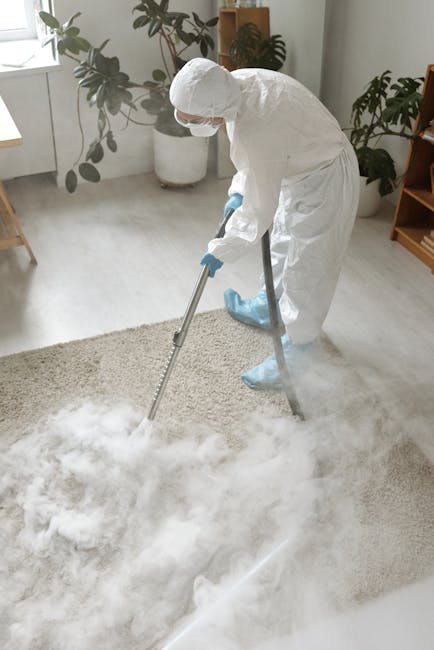
Deep Cleaning Chelsea brings a thorough, room-by-room service to homes and commercial spaces that need more than a standard tidy. The focus is on detailed cleaning work across kitchens, bathrooms, living areas and hard-to-reach surfaces, with methods chosen to suit the condition of each space. That can include built-up grease, dust on fittings, marks around switches, scale in wet rooms and the sort of general residue that ordinary routine cleaning may not fully address.
We keep the service practical and flexible, so the work can be shaped around a one-off reset, a property handover or a deeper seasonal clean. The aim is not to overstate what is possible, but to provide a careful, methodical clean that pays attention to corners, edges, fixtures and other overlooked details. If you are comparing options, it helps to think about the result you want: refreshed rooms, clearer surfaces and a cleaner finish across the whole property.
For a clearer scope and a tailored price, you can request a quotation once you have the basic room list ready. A short description of the property, the areas you want prioritised and any material or access considerations will help shape the response. Start with the spaces that matter most, and the rest can usually be planned around them.
What our deep cleaning covers
Deep cleaning usually goes beyond visible surfaces and focuses on the detail that builds up over time. In practical terms, that means cleaning around fixtures, along skirting, behind reachable appliances, on shelves, around taps and on other contact points where grime tends to settle. The exact work depends on the room, the condition of the property and the materials involved, because delicate finishes may need a gentler approach than harder, more resilient surfaces.
In a domestic setting, the service is often used when a property needs a more intensive refresh than a standard weekly clean. This may suit households preparing for guests, settling into a new home or dealing with a period where routine upkeep has fallen behind. We can focus on the spaces that see the most use first, then extend the work to less visible areas so the clean feels balanced rather than cosmetic.
Useful tasks commonly associated with deep cleaning include:
- Degreasing kitchen surfaces, splashbacks and reachable appliance exteriors.
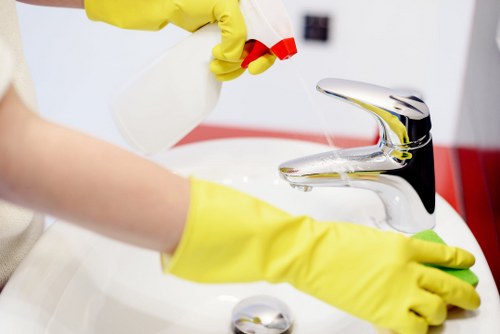
- Cleaning bathroom fittings, tiles, fixtures and limescale-prone areas.
- Dusting ledges, trims, sockets, switches and other detailed contact points.
- Wiping door frames, handles and other regularly touched surfaces.
- Refreshing floors, edges and accessible corners where debris collects.
Kitchen and bathroom detail cleaning

Kitchens and bathrooms usually need the most focused attention in a deep clean because both rooms experience frequent use and persistent residue. In kitchens, that can mean built-up grease, food splashes and marks around appliances or preparation areas. In bathrooms, the work often centres on soap residue, scale, water marks and the condition of fittings that are touched daily. These rooms benefit from a measured process rather than a quick pass, especially where different surface types sit close together.
We can adapt the work to the material and finish involved, which is important in rooms with glossy units, glass, chrome, stone, sealed flooring or tiled walls. A careful service avoids pushing grime into joints or using the same treatment everywhere regardless of the surface. That matters because a good deep clean should remove build-up without leaving unnecessary wear or streaking behind.
If you are preparing for a quotation, two pieces of information are especially helpful: which kitchen or bathroom features need the most attention, and whether any fixtures are particularly delicate, stained or awkward to reach. A short note is usually enough to guide the estimate. You can also mention whether the job is part of a full-property clean or limited to these high-use rooms.
Living spaces, bedrooms and shared areas
Living rooms, bedrooms and hallways often require a deep clean for different reasons than kitchens and bathrooms. Here, the emphasis is more likely to be on dust removal, edge detailing and restoring a fresh appearance to surfaces that may not be cleaned thoroughly in everyday routines. Attention can include skirting boards, shelving, wardrobe exteriors, window sills, handles and the upper surfaces where dust settles out of view.
Shared areas also benefit from a considered sequence of work. Starting high and moving down helps reduce the chance of dust dropping onto already cleaned surfaces, while keeping access routes clear makes the process more efficient. In properties with a lot of furnishing, the challenge is often not simply cleaning more, but cleaning carefully around what is already there so the room remains orderly during the service.
When deciding how much of the property to include, it can help to separate must-have spaces from optional ones. That makes the work easier to scope and can keep the clean focused on what will make the biggest difference. If you only need certain rooms refreshed, say so from the outset; if the entire property needs attention, that can be planned as a broader one-off clean.
Deep cleaning for moving, resetting and seasonal upkeep

There are several common reasons people choose a deep clean rather than a routine service. Moving into a property is one, because it is often easier to settle into a home once cupboards, surfaces and fittings have been properly refreshed. Seasonal upkeep is another, especially when a property has collected dust or general dullness over time. A one-off reset can also be useful after a busy period, when everyday tasks have not been enough to keep on top of the detail.
In these situations, the work is less about maintaining a fixed schedule and more about restoring a strong baseline. That may involve targeting neglected areas, refreshing touchpoints and giving the property an overall cleaner feel. The benefit is that once those deeper tasks have been completed, future routine cleaning can usually be more straightforward because the build-up has been reduced.
Before booking, it is sensible to note any access limits, parking issues, fragile décor or areas that should be avoided. A brief inventory of the spaces involved can also help, especially if you are combining the service with an end-of-tenancy clean or another one-off clean. View pricing and quotes if you want to see how an enquiry can be structured before sending details.
How we approach quotations and planning
A quotation for deep cleaning is usually shaped by the size of the property, the number of rooms included, the condition of the surfaces and any specific tasks requested. Properties with heavy build-up, specialist materials or extra detail work may need a more involved plan than a light refresh. A clear description of the job helps avoid confusion later, particularly where some rooms need full attention and others only need selected areas cleaned.
It is also useful to think about timing and access. If the property is occupied, if someone needs to be present, or if work must happen around other trades or moving dates, that can affect how the clean is scheduled. Sharing this information early helps us keep the process straightforward and realistic. When people are comparing options, a well-defined scope usually gives the most useful response.
If you are ready to move ahead, send the room list and a short description of the condition for a proper quote. For general business information, learn more about us before you decide how to proceed. The goal is a clear, sensible enquiry rather than a rushed estimate based on too little detail.
Areas that often need extra attention
Within a deep clean, some parts of a property almost always need closer inspection than others. Light switches, handles, skirting, corners, sink surrounds and the tops of fittings can hold dust or residue even when the main surfaces look acceptable. The same is true of places that are frequently touched but rarely included in routine cleaning. Focusing on these details is what creates the difference between an ordinary refresh and a deeper result.
That said, not every property needs the same treatment everywhere. A well-planned deep clean should reflect how the space is actually used. A quiet guest room, for example, may need less intensive work than a busy kitchen or family bathroom, while hallways and entrances may need special attention because they collect dust and outdoor debris. Matching the level of effort to the room keeps the work efficient and sensible.
The most useful way to organise these tasks is to treat them as a sequence: high-detail surfaces first, then larger horizontal areas, then floors and final checks. That order helps avoid missing spots and reduces the chance of recontaminating already cleaned areas. It is a simple approach, but one that supports a more consistent finish across the whole property.
About Chelsea
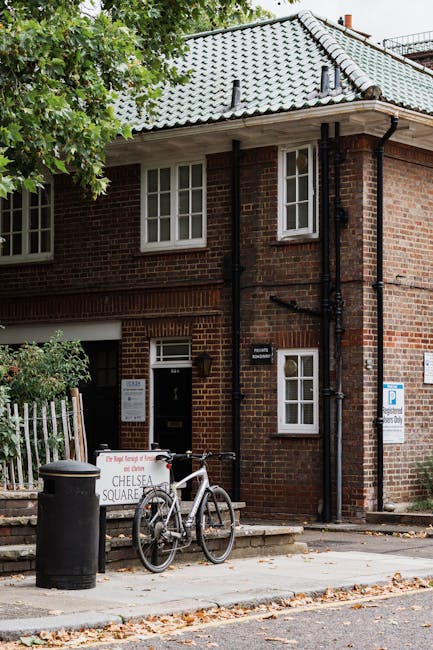
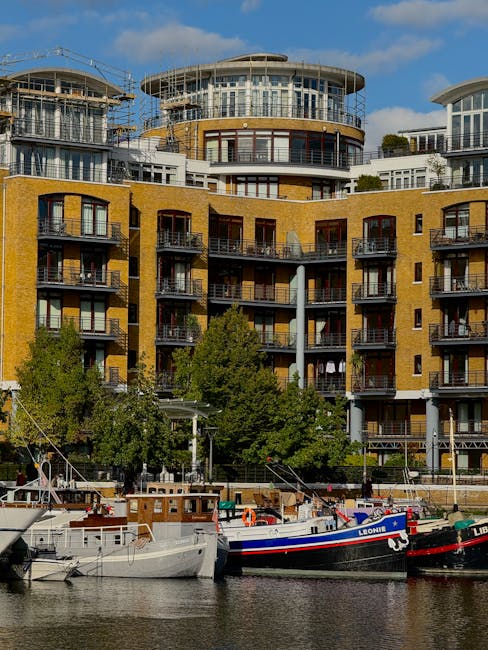
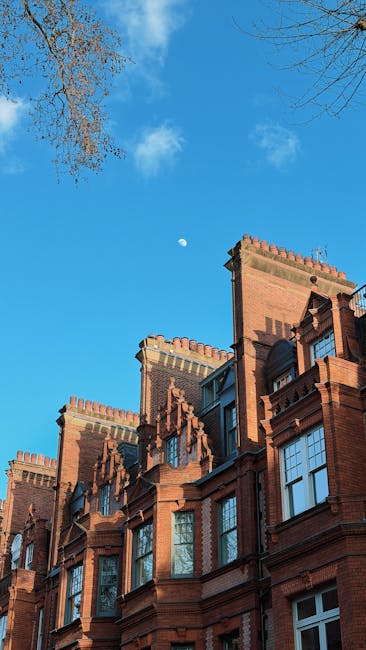
Chelsea is a district in the Royal Borough of Kensington and Chelsea in west London, set along the northern bank of the River Thames. It has long been known for a mix of historic streets, fashionable shopping, cultural institutions and residential squares, with an urban character that combines elegant terraces and mansion blocks with busier commercial stretches. The area’s past is visible in its Georgian and Victorian building stock, while later development has added a layered streetscape rather than replacing earlier patterns entirely. Parts of Chelsea are closely associated with the King’s Road, which helped define the district’s reputation in the twentieth century as a place of style, design and changing social life. The Royal Hospital Chelsea, founded in the seventeenth century for retired soldiers, remains one of the area’s most recognisable landmarks and reflects a different strand of London history. The Chelsea Physic Garden, established in the 1670s, is another notable institution, valued for its long horticultural and scientific heritage. Along the riverside, walkways and views toward Battersea contribute a sense of openness that contrasts with the denser streets inland. St Luke’s Church, the former Chelsea Barracks site and the spaces around Sloane Square also form part of the district’s varied identity. Despite modern redevelopment in places, Chelsea retains a strong connection to architecture, gardens, galleries and the river, making it one of central London’s most distinctive neighbourhoods.
End-of-tenancy and one-off property cleans

Deep cleaning and end-of-tenancy cleaning overlap in some respects, but they are not always identical. An end-of-tenancy clean is usually more tightly defined by the condition a property should be left in, while a deep clean may be broader and more flexible. In both cases, the work often needs to be thorough enough to address neglected areas, dust build-up, marks on fittings and the general residue that can gather in a lived-in home.
For landlords, tenants and managing agents, the priority is often consistency across the main rooms rather than tackling only the most visible surfaces. That means kitchens, bathrooms, floors, fittings and accessible edges should all be considered together. Where the property has been occupied for a long period, extra detail work around appliances, doors, frames and storage spaces can make a meaningful difference to the final finish.
If you are arranging this kind of work, a brief note about the property’s size, occupancy state and any special concerns will make the quotation easier to shape. See end of tenancy cleaning for a related service page if your enquiry is tied to a move-out timetable rather than a general deep clean.
Choosing the right level of clean
Not every enquiry needs the same depth of service, so it helps to distinguish between a lighter refresh, a standard clean and a more comprehensive deep clean. A straightforward clean may suit a property that is already well maintained, while a deep clean is better where residue, dust or build-up has accumulated in more detailed areas. Choosing the right level at the start can save time and avoid either under-specifying or over-specifying the work.
Room condition, surface materials and expected finish all play a part in that decision. A property with stone surfaces, specialist fittings or more fragile décor may need a more cautious approach than one with robust, simple finishes. Likewise, some clients want the service focused on a few problem areas, while others want the entire property brought up to a much cleaner standard. There is no single template that fits every home or office.
Where useful, you can separate the service into practical priorities: urgent rooms, detailed tasks and optional extras. That makes the request easier to assess and keeps the quotation tied to what you actually need. Explore deep cleaning if you want the general service page, or continue with a clear message about your own rooms and priorities.
Office and shared-space deep cleaning

Although many enquiries come from domestic customers, deep cleaning can also be useful for offices and shared spaces that need a more detailed refresh than a routine visit provides. In those settings, the emphasis is often on touchpoints, work surfaces, meeting spaces, reception areas and the places where dust and marks become noticeable to staff or visitors. A good commercial clean has to be methodical, discreet and suited to the layout of the premises.
Shared environments can involve a mix of hard surfaces, fitted furniture and busy circulation areas, so the work needs to be planned around both cleanliness and practical access. The aim is to improve the presentation and hygiene of the space while respecting how it is used day to day. That can include careful attention to desks, communal kitchen points, washrooms and entrance areas, depending on what the property contains.
If the job is for a workplace or managed building, it helps to state the room types, access arrangements and any time constraints when asking for a quote. Contact us to request a quotation when you are ready to outline the property and the type of deep clean you need.