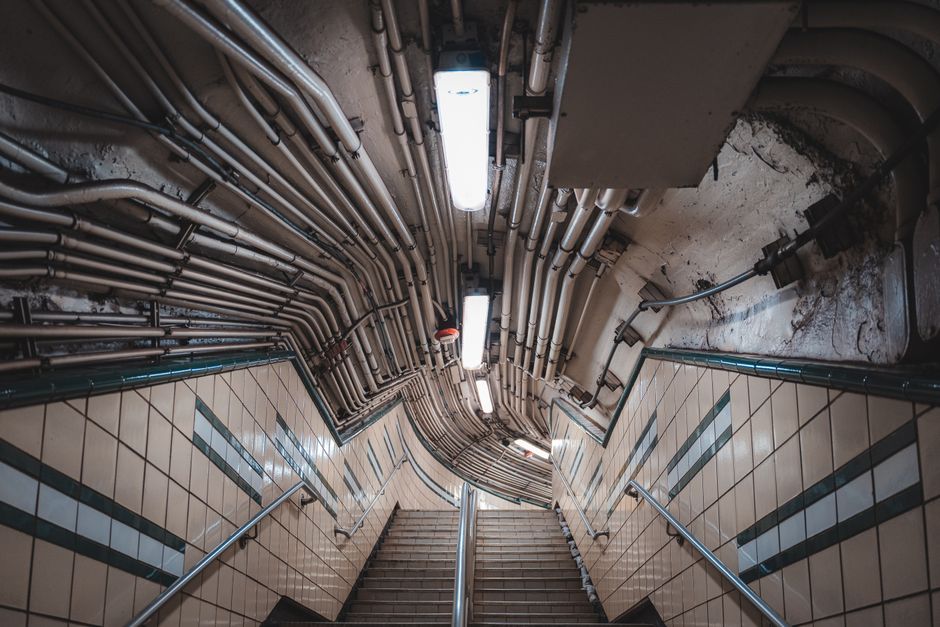
Common cleaning access mistakes for Chelsea cellars

Cellars in Chelsea can be brilliant spaces: storage, laundry overflow, wine rooms, plant rooms, or the kind of forgotten corner that slowly turns into a project. But getting them properly cleaned is a different story. The biggest issues usually start before any cleaning even begins. Common cleaning access mistakes for Chelsea cellars can lead to damaged steps, missed dust traps, poor ventilation, and awkward delays that make a simple job feel twice as hard.
If you have ever stood at the top of a narrow basement stairwell wondering how on earth a vacuum, hose, or cleaning team is supposed to get down there, you are not alone. Chelsea properties often mix period layouts, compact access routes, and delicate finishes. That means access planning matters just as much as the cleaning itself. In this guide, we will walk through the mistakes people make, why they matter, and how to avoid the sort of issues that waste time, increase risk, and leave the cellar only half done.
One small but important note: access problems are rarely dramatic on their own, but they quietly shape everything else. Get the access wrong and the cleaning almost always suffers. Get it right and the whole job feels calmer, safer, and more effective.
Why Common cleaning access mistakes for Chelsea cellars Matters
Cellars are not like the rest of the property. They are usually tighter, darker, cooler, and more awkward to move through. In Chelsea, you may also be dealing with basement conversions, shared access routes, older staircases, narrow lightwells, or sensitive finishes that do not love being bumped by kit. That is why access mistakes matter so much. They affect safety, timing, cost, and the end result all at once.
The obvious risk is physical damage. Scratched bannisters, chipped paint, dented walls, or scuffed stone steps can happen quickly when somebody tries to carry large equipment through a tight route without enough protection. Less obvious, but just as common, is cleaning failure. If the cleaner cannot reach the back corners, under shelving, behind boilers, or around pipework, dust and grime stay put. It looks cleaner at first glance, but not actually clean. Bit of a false economy, really.
There is also the time factor. Poor access adds minutes in one room, then more minutes in the next, and before long the job has drifted into a much longer visit than planned. For homeowners, landlords, and managing agents, that can mean disruption. For cleaning teams, it can mean rushed work or repeated visits. Nobody wants that.
Practical takeaway: access planning is not an admin extra. For cellar cleaning, it is part of the cleaning method itself.
How Common cleaning access mistakes for Chelsea cellars Works
To understand the mistakes, it helps to think about the cleaning process from the cellar backwards. A successful clean usually depends on four things: how the team gets in, how they move equipment, how they protect the route, and how they ventilate and exit safely. If any one of those pieces is ignored, problems start stacking up.
In a typical Chelsea basement or cellar, access may involve front steps, rear lower-ground entries, narrow internal staircases, or even shared hallway routes in a flat conversion. Some spaces have low ceilings and tight turns. Others have concealed storage, old pipework, or uneven flooring. A cleaning team needs a clear picture of all this before they arrive, otherwise they are guessing. And guessing in a cellar is usually where delays begin.
Here is the simple version of how good access management works:
- Survey the route. Identify every doorway, stair, corner, landing, lock, and obstacle.
- Measure the awkward bits. Vacuum bodies, mop handles, steam cleaners, and extraction machines all need space.
- Protect the route. Use covers or runners where needed so surfaces do not get damaged.
- Plan ventilation and lighting. A cellar that is stuffy or dim is harder and less safe to clean properly.
- Stage equipment sensibly. Bring in only what is needed, and in the order it will be used.
- Leave a clear exit path. It sounds basic, but this is where people trip over their own kit. Happens more often than you would think.
Truth be told, the best cleaning results usually come from the unglamorous preparation work. Not from fancy chemicals or bigger machines. From boring, sensible access planning. That is where the job is won.
Key Benefits and Practical Advantages
Getting cellar access right brings a surprising number of benefits. Some are obvious, some only become clear when something goes wrong and you suddenly wish you had planned a bit better.
- Better cleaning coverage. Cleaners can reach corners, edges, behind stored items, and around fixed installations more easily.
- Lower risk of damage. Careful route planning reduces knocks, scrapes, and accidental spills on valuable finishes.
- Safer working conditions. Clear stairs, good lighting, and sensible equipment handling help reduce trip and lift hazards.
- Faster turnaround. Less time is lost moving kit around or backtracking through tight spaces.
- More predictable costs. When access is known in advance, quoting and scheduling are usually more accurate.
- Less disruption to the property. This matters a lot in busy homes, basement flats, and occupied buildings.
- Better results in hidden areas. Cellars often collect damp dust, cobwebs, and odours in spots people forget about.
There is also a confidence benefit. A well-prepared clean feels calmer from the start. You are not scrambling for a torch halfway through or trying to squeeze a machine through a gap that is clearly too tight. That sort of thing does not just save time; it makes the whole job feel more professional.
And yes, the cellar smells better too. That cold, dusty, slightly closed-in smell is usually one of the first signs that access was not enough to allow a proper clean in the first place.
Who This Is For and When It Makes Sense
This topic is relevant to quite a few people, not just homeowners. Chelsea properties tend to be used in different ways, and cellar access issues can affect all of them.
- Homeowners who use the cellar for storage, laundry, utilities, or renovation overflow.
- Landlords who need a tenancy-ready property and do not want surprises hidden below ground.
- Managing agents dealing with basement common parts or access via shared internal spaces.
- Tenants who need to clear or clean a cellar before check-out and are worried about what is realistic to do safely.
- Builders and decorators who need post-work cleaning once dust has drifted everywhere, as it always does.
- Businesses with basement storage, archive rooms, stock areas, or back-of-house plant spaces.
It makes sense to focus on access planning whenever the cellar is cluttered, partly converted, difficult to ventilate, or only reachable through a narrow staircase. It also matters if the space contains fragile belongings, old fixtures, or valuable items that cannot simply be moved without care.
As a rule of thumb, if a person has to say, "We'll just see how it goes on the day," that is usually a sign the access needs more thought.
Step-by-Step Guidance
If you want a clean that is thorough rather than improvised, use a simple step-by-step approach. Nothing fancy. Just a proper process.
1. Start with a route check
Walk the full route from street or front door to cellar. Note stair width, sharp turns, low ceilings, awkward landings, door swings, and any weak spots in flooring. Check where equipment will be carried, paused, and turned.
2. Clear and stage the access path
Remove loose items, boxes, shoes, storage crates, and anything that could catch feet or snag a cable. In a lot of Chelsea homes, the problem is not the cellar itself, but the two or three cluttered corners on the way there. It is always those corners.
3. Protect surfaces
Where there is a risk of rubbing or splashing, protect walls, handrails, flooring, and door frames. This can be as simple as runners or padded covers. The exact choice depends on the route and finish quality, but the principle is always the same: protect first, clean second.
4. Check lighting and ventilation
Cellars can be dim and still. Make sure there is enough light to see edges, steps, sockets, and trip hazards. Ventilation matters too, especially where there is damp, dust, or cleaning product use. If the air feels stale at the top of the stairs, it will usually feel worse once work begins.
5. Match equipment to the space
Do not assume a large machine is better. Sometimes a smaller vacuum, compact steam tool, or handheld detail kit is far more effective. If a tool needs two people to manoeuvre it, ask whether it is actually the right tool for a narrow basement.
6. Clean from top to bottom
This is basic housekeeping logic, but it is especially useful in cellars because dust settles in awkward places. Start higher up with cobwebs, pipes, ledges, and vents, then move down to surfaces and floors. Otherwise you end up cleaning the same dust twice. Nobody has time for that.
7. Inspect hidden spots before finishing
Look behind stored items, under steps, around boiler housing, and in any corners that are not visible at first glance. Chelsea cellars often have odd little dead spaces where dirt quietly collects. Those places matter if you want a real finish, not just a quick tidy-up.
Expert Tips for Better Results
After working around tight access spaces, a few patterns become obvious. The same mistakes crop up again and again, and the same fixes work again and again too.
Use a "move less, do more" mindset. Every unnecessary trip up and down the stairs increases the chance of a bump, spill, or slip. Stage tools near the work zone where safe and practical.
Measure before the visit if you can. A quick measurement of stair width, door width, and landing clearance can save a lot of awkwardness later. It is a small job with a big payoff.
Watch the corners. In narrow houses, corners are where walls get marked and equipment gets stuck. If a corner looks tight, assume it is tighter than you think. Slightly annoying, but true.
Think about what is stored there. A cellar full of cardboard boxes behaves differently from one with wine racks, tools, or soft furnishings. Cardboard traps dust and damp; soft items absorb odours; metal fixtures may need gentler handling.
Keep a lighting backup. Even a decent cellar can become frustratingly dark in one patch. A backup torch or portable light stops the whole clean from slowing down every five minutes.
Do not ignore damp signs. If access is poor and the cellar has visible damp, mould spotting, or condensation, the cleaning approach needs care. Aggressive methods can spread grime or worsen fragile finishes.
Expert summary: the best cellar cleaning is usually less about force and more about control. Clear route, right tools, sensible protection, careful sequencing. Simple on paper, but it makes all the difference in a Chelsea basement.
Common Mistakes to Avoid
This is the heart of the topic. These are the errors that most often turn a straightforward cellar clean into a headache.
1. Assuming the cellar is "just downstairs"
That phrase causes trouble. A cellar is not just downstairs if the staircase is too narrow for equipment, the corners are tight, and the ceiling height changes halfway down. Treat it as a separate access challenge, because it is.
2. Not clearing the route first
People sometimes focus on the cellar floor and forget the staircase, hallway, and landing. Then a cleaner has to squeeze around storage, rugs, recycling, and coat hooks before even reaching the room. That is how delays begin.
3. Bringing oversized equipment
Big machines are not automatically better. In fact, a compact setup often works faster in basement spaces. Over-sized kit can block movement, struggle on stairs, or simply be too cumbersome for the route.
4. Forgetting about lighting
A torch held in one hand while cleaning with the other is not ideal. It is awkward, slow, and a bit of a faff. Proper lighting should be sorted before the work starts.
5. Skipping surface protection
Even careful cleaners can scuff a stair edge, mark a wall, or wet a sensitive finish. If the route is tight, protection is not optional. It is just common sense.
6. Ignoring ventilation
Dust, moisture, and cleaning products can linger in cellar air. Without enough airflow, the space may still feel stale after cleaning. Sometimes the room looks done, but the air says otherwise.
7. Failing to identify fragile items
Old pictures, stored documents, soft furnishings, and vintage pieces need different handling. If they are left in the path, the risk goes up fast. Better to move them out or isolate them before work starts.
8. Leaving the exit route blocked
This is one people forget. Once the cellar is being cleaned, the exit should stay free. If tools, bags, or removed items pile up near the stairhead, the team ends up working over their own clutter. Not smart.
9. Not checking for hidden access constraints
Some cellars have low pipes, awkward meter boxes, or fixed shelving that reduce movement more than expected. A quick visual check can reveal issues that would otherwise surprise everyone halfway through.
10. Treating access as a minor detail in quoting
If someone quotes without understanding how the cellar is reached, the estimate may be off and the visit may feel rushed. Good planning starts with honest access information, even if it seems a bit tedious at the time.
Tools, Resources and Recommendations
You do not need a warehouse of specialist gear to clean a Chelsea cellar properly. You do need the right kit for a tight, sometimes awkward space.
| Tool or resource | Why it helps | Best use case |
|---|---|---|
| Compact vacuum | Easier to carry and manoeuvre on narrow stairs | Dust, debris, cobwebs, edges |
| Microfibre cloths | Good for detail work and low-lint wiping | Shelving, pipes, ledges, fixtures |
| Portable lighting | Improves visibility in dim corners | Basements with poor natural light |
| Protective runners or covers | Reduces scuffs and surface damage | Staircases, hallways, door frames |
| Bucket and small mop system | More manageable than oversized floor kit | Small cellar floors, utility zones |
| Sturdy gloves and closed shoes | Basic protection for handling dust and hidden clutter | Any cellar clean with stored items |
On the service side, it helps to work with a cleaning company that understands tight-access properties and basement layouts. If you are comparing providers, look for clear information about pricing and quotes, as well as practical service coverage such as deep cleaning, domestic cleaning, and one-off cleaning when the cellar needs a proper reset rather than routine maintenance.
If the cellar has been affected by renovation dust or storage clutter after building work, it may also make sense to look at after builders cleaning. For rooms that gather heavy grime, dust, or odour in deep corners, that approach can be more suitable than a standard quick clean.
And if carpets, rugs, or upholstery are stored or used in the cellar area, separate attention may be needed. Depending on the materials, options such as carpet cleaning, rug cleaning, or upholstery cleaning can be useful once the access issue is under control.
Law, Compliance, Standards, or Best Practice
Cellar cleaning is usually a practical, low-drama task, but that does not mean safety can be improvised. In the UK, the general expectation is that work should be carried out with sensible care for people, property, and safe working conditions. That includes avoiding obvious trip hazards, using equipment properly, and making sure access routes are not unsafe for the people doing the job.
For occupied homes, shared buildings, and managed properties, best practice normally includes:
- clear communication about the route and any locked or shared areas;
- safe handling of equipment on stairs and landings;
- basic protection for finishes that may be marked or damaged;
- good ventilation where products, dust, or damp are involved;
- careful attention to insurance and safety arrangements if third-party cleaners are entering the property.
If you are hiring a company, it is sensible to ask about their insurance and safety and review their health and safety policy. Those pages should help you understand how seriously they treat access risk, equipment handling, and property protection. That is not red tape for the sake of it. It is what separates organised work from crossed fingers.
You may also want to check related company information such as about us, terms and conditions, and contact us if you are arranging a visit or comparing providers. If you prefer to understand how the business handles payments and booking details, payment and security can be a useful page to review as well.
Options, Methods, or Comparison Table
There is no single "best" way to clean a cellar. The right method depends on the access route, storage level, and how delicate the space is. Here is a simple comparison to help with decision-making.
| Approach | Pros | Cons | Best for |
|---|---|---|---|
| Quick tidy and vacuum | Fast, light-touch, low disruption | Misses deeper grime and hard-to-reach areas | Lightly used cellars with good access |
| Detailed deep clean | More thorough, better for dust and buildup | Needs more time and more planning | Cluttered or long-neglected basements |
| Access-first clean | Reduces damage, safer on tight stairs and routes | Preparation takes extra effort before cleaning starts | Chelsea cellars with narrow, awkward access |
| Post-build clean | Targets fine dust and residue effectively | Requires careful tool choice and protection | Renovated or recently altered cellars |
For many Chelsea properties, the access-first clean is the one that saves the most hassle. You may not notice it immediately because the work happens before the visible cleaning, but that preparation is what makes the final result look polished rather than patchy.
Case Study or Real-World Example
Picture a lower-ground cellar in Chelsea used for storage, a utility cupboard, and a few household bits that "will be sorted later." The route down is a narrow staircase with a turn halfway, a low ceiling near the bottom, and a stack of boxes sitting on the landing. Nothing dramatic. Just enough friction to make the job awkward.
In a rushed approach, someone might carry a large vacuum down first, realise it is awkward on the turn, then spend extra time moving boxes, clearing a door swing, and protecting the bannister after the fact. By then the cleaning has already become reactive. Dust gets scattered, the job feels messy, and the client sees more movement than progress.
In the better version, the route is cleared before arrival, the stair edges are protected, a compact vacuum is chosen, lighting is checked, and the cellar is cleaned top to bottom with the storage items staged safely out of the way. The same room. Same dust. Very different outcome.
That is usually how access mistakes show up in real life. Not as a single disaster, but as a dozen small inefficiencies. One thing slows another thing, and suddenly what should have been straightforward becomes a half-day puzzle.
Practical Checklist
Use this checklist before any cellar clean in Chelsea, especially if the access is tight or the room is partly used for storage.
- Have I checked the full route from entrance to cellar?
- Are the stairs, landings, and doors clear enough for safe movement?
- Do I know the width of any narrow turns or low ceilings?
- Is there enough light to see steps, edges, and hidden corners?
- Has the route been protected where scuffs or splashes are likely?
- Is the ventilation adequate for dust and cleaning products?
- Have fragile, valuable, or awkward items been moved or isolated?
- Is the equipment size realistic for the access route?
- Have I checked for damp, mould, or other issues that may affect the method?
- Is the exit path still clear once work begins?
If you can tick most of those off, you are in a much better position. If not, pause and sort the route first. Seriously, it will save effort later.
Conclusion
Common cleaning access mistakes for Chelsea cellars are usually not about laziness or lack of effort. They happen because cellar spaces are awkward, the route is easy to underestimate, and the cleaning itself gets all the attention while access gets overlooked. But in practice, access is the foundation. If the route is poor, the clean will be poorer too.
The good news is that these problems are very fixable. Clear the route, choose the right equipment, protect surfaces, check ventilation, and plan the job around the space rather than trying to force the space to suit the job. That simple shift can make a huge difference in both results and stress levels. And honestly, that's what most people want at the end of the day: a cellar that feels usable again, without the faff.
Get a free quote today and see how much you can save.
Whether you are preparing a family home, a rental property, or a tucked-away lower-ground room that has been ignored for a while, a bit of careful planning goes a long way. Small steps, done properly, tend to leave the best impression.
Frequently Asked Questions
What are the most common cleaning access mistakes for Chelsea cellars?
The most common mistakes are ignoring stair width, leaving the route cluttered, using equipment that is too large, forgetting lighting, and skipping surface protection. In many homes, the cellar is cleanable, but the access plan is what makes or breaks the job.
Why is cellar access harder in Chelsea properties?
Chelsea properties often have period layouts, narrow staircases, basement conversions, and shared internal routes. That mix can make it harder to move cleaning equipment safely and reach all parts of the cellar without damage or delay.
Do I need special equipment for a cellar clean?
Not always special, but often more compact. A smaller vacuum, portable lighting, microfibre cloths, and simple protective coverings are usually more practical than oversized machines in tight cellar spaces.
How do I know if access is good enough for cleaning?
If a person can move equipment in, work safely on the stairs and around corners, and exit without blocking the route, access is usually workable. If there are tight turns, low ceilings, or storage blocking the path, it needs more planning.
Can poor access affect the quality of the clean?
Yes. Poor access often means missed corners, rushed cleaning, limited ventilation, and less time spent on detail areas. It can also leave dust or odours behind even when the room looks tidy at first glance.
Should I clear the cellar before the cleaners arrive?
Yes, as much as is practical. Clearing the route and staging stored items away from the access path makes the clean safer and more efficient. It also helps avoid accidental damage to belongings.
What if the cellar has damp or mould?
If damp or mould is present, the cleaning approach should be more careful. Access, ventilation, and product choice matter more in that situation. You do not want to trap moisture or spread dust around unnecessarily.
Is a deep clean better than a basic clean for cellars?
It depends on the condition of the space. A basic clean may be enough for lightly used, accessible cellars. A deep clean is better when dust, clutter, or hidden grime has built up over time, especially in corners and behind stored items.
How long does a cellar clean usually take?
There is no single answer because access changes everything. A small, open cellar may be straightforward, while a tight lower-ground room with clutter, stairs, and fragile items can take much longer. Good access planning makes the timing more predictable.
Can I clean a cellar myself?
Yes, if the access is safe, the space is manageable, and you have the right tools. But if the staircase is awkward, the cellar is heavily cluttered, or there is any risk of damage or slipping, professional help is often the calmer choice.
What should I ask a cleaning company before booking?
Ask how they handle narrow access, whether they need measurements or photos in advance, what equipment they use, and whether they are insured for work in tight or sensitive spaces. It is also sensible to ask about safety procedures and pricing details.
Are cellar cleaning issues the same as basement cleaning issues?
They overlap a lot, but not always. A basement may be more integrated into living space, while a cellar can be more storage-focused or accessed through tighter routes. The access challenge is similar, but the cleaning method may differ slightly.
What is the biggest thing people overlook?
Usually the route, not the room. People focus on the dirty floor or dusty shelves and forget the stairs, landings, and turning points that make the work possible in the first place. That is often where the trouble starts.
If you are dealing with a tricky lower-ground space and want a smoother experience, start with the access plan. That one choice tends to make everything else a bit easier, and sometimes that is exactly what a Chelsea cellar needs.